The Invisible Women of Wartime Intelligence | How WWII Shaped Historical Fiction
When we think about women in wartime intelligence, we tend to remember the ones with code names, disguises, and daring escapes. But most women who helped shape the outcome of World War II were never meant to be remembered at all. In an earlier post, I explored women who worked as spies during World War II — the figures history remembers most readily — but this piece turns to the women whose intelligence work unfolded almost entirely out of sight.
This post will help you read historical fiction set in the 1940s with a sharper lens — one that recognizes the unseen labor, quiet precision, and behind-the-scenes intelligence work that made the visible acts of heroism possible.
You’re in the right place if you’re a historical fiction reader who is curious about the lives behind the stories — not just the plot, but the real work, systems, and silences that shaped women’s experiences during World War II. Here, you’ll learn how intelligence work actually functioned behind the scenes in the 1940s, why so many women’s contributions were deliberately anonymous, and how these realities continue to influence the way historical fiction is written today.
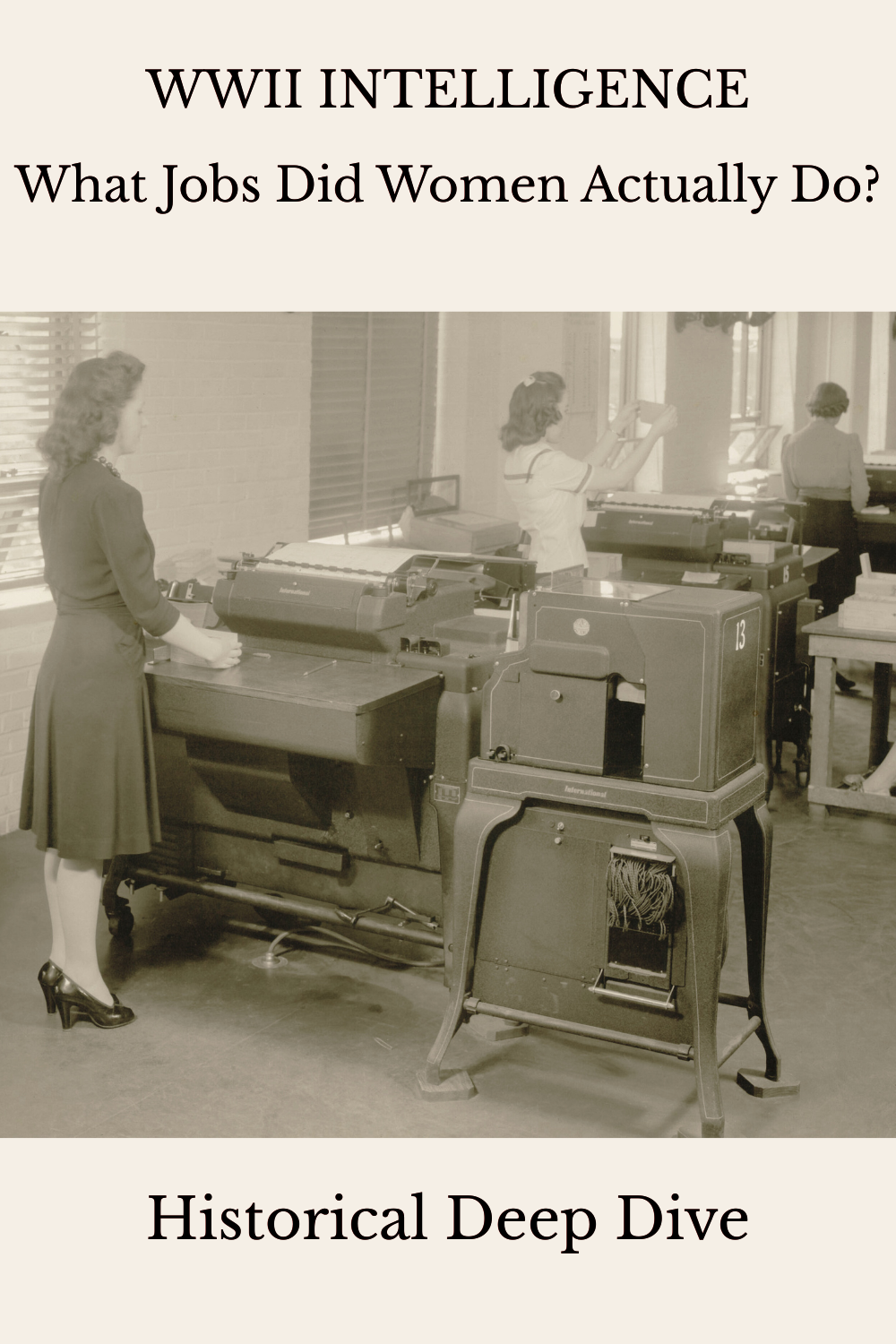
Wartime Intelligence Was a System — Not a Series of Solo Missions
When we picture wartime intelligence, it’s easy to imagine isolated acts of bravery: a single person slipping through enemy lines, a coded message delivered just in time. But the reality of World War II intelligence looked very different.
During World War II, intelligence work referred to the collection, processing, analysis, and secure movement of information used to inform military and political decisions.
Intelligence work was a system — layered, methodical, and deeply collaborative. Information had to be intercepted, translated, logged, analyzed, cross-checked, and distributed. Each step depended on the one before it. No single action mattered without the infrastructure supporting it.
Women were embedded throughout this system. Not as side notes, but as essential participants whose work kept information moving accurately and efficiently. Much of this labor was quiet by necessity. It was designed to be dependable rather than dramatic — and for readers of historical fiction, understanding this structure changes how wartime stories come into focus.
Codebreakers and Analysts: The Work That Required Patience, Not Glory
Some of the most critical intelligence work of the war demanded neither disguise nor daring escapes — but endurance.
Codebreaking and analytical roles required hours of concentration, pattern recognition, and an almost relentless attention to detail. Progress was slow. Breakthroughs were rare. Most days involved repetition: sorting fragments, testing assumptions, correcting errors, and beginning again.
At places like Britain’s wartime intelligence centers, much of this work unfolded in long, unremarkable shifts. Women sat at shared tables sorting intercepted material, cross-referencing sequences, flagging inconsistencies, and passing fragments along to others for verification. Progress was measured in inches rather than miles. A single corrected error or confirmed pattern could take hours — sometimes days — and yet that incremental clarity fed directly into strategic decisions far beyond the room.
Women working in these roles were valued for precision and consistency. Their success depended on accuracy rather than speed. On discipline rather than recognition. Mistakes could ripple outward with real consequences. And yet, the work itself remained invisible.
For many, the emotional weight was compounded by silence. They could not explain what they were doing. Why it mattered. Or how close they were to events shaping the course of the war. Historical fiction that lingers on women performing this kind of work often reflects this quiet intensity — not because it lacks drama, but because the tension lived beneath the surface.
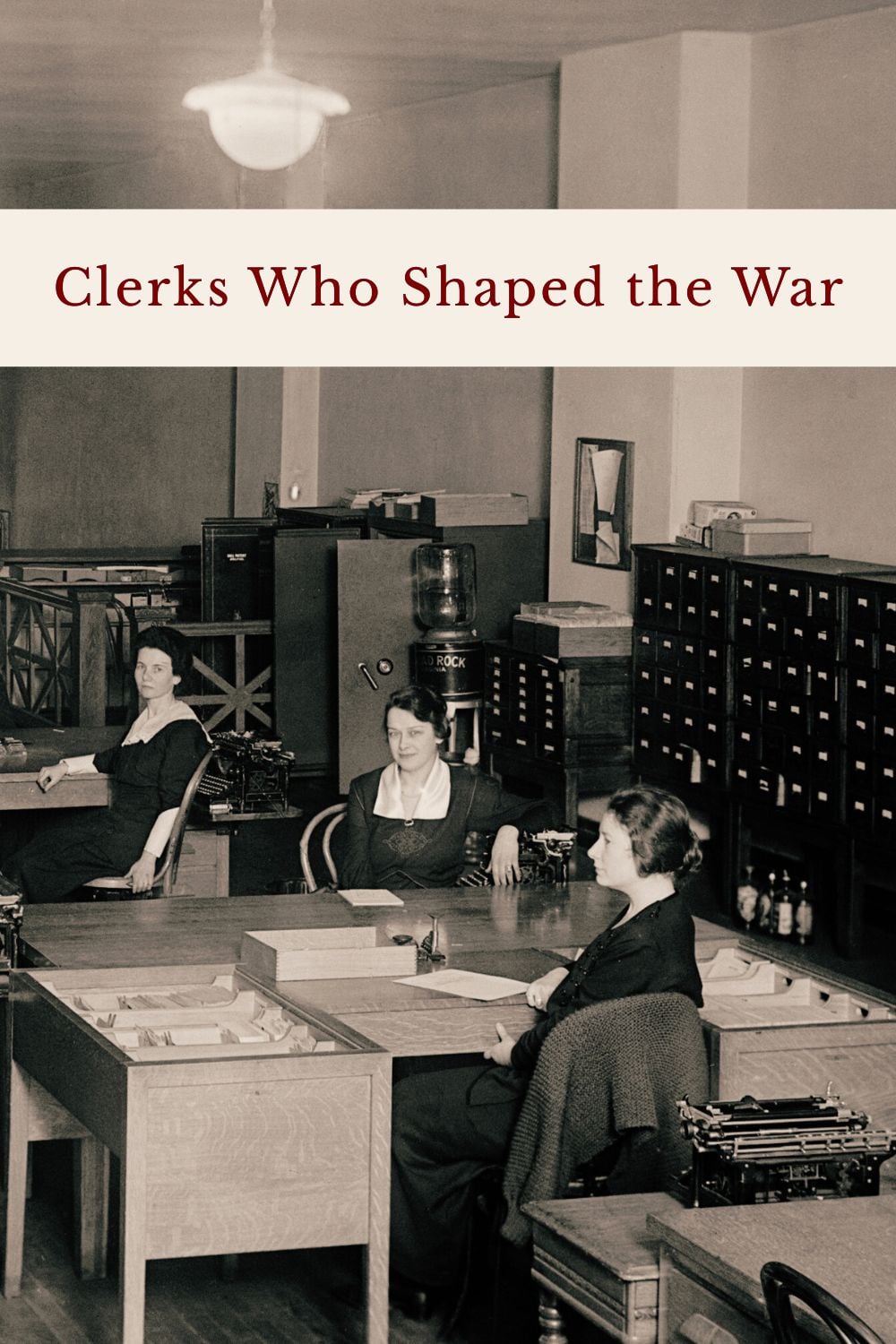
Clerks, Indexers, and Record-Keepers: Intelligence’s Invisible Backbone
It’s tempting to dismiss clerical work as secondary — especially through a modern lens — but wartime intelligence depended on documentation as much as daring.
Information that could not be located, verified, or contextualized was useless. Clerks, indexers, and record-keepers ensured that intelligence could be retrieved quickly and understood accurately. Their work shaped what decision-makers saw — and what they never did.
These roles were often framed as “women’s work,” both during the war and in historical memory. Yet the outcomes of intelligence efforts were inseparable from the systems that organized and preserved information. Without this backbone, analysis collapsed.
Many historical novels quietly acknowledge this reality by placing women in offices, filing rooms, and administrative hubs — spaces where history unfolded slowly, but decisively. Recognizing the importance of these roles allows readers to see significance where earlier narratives taught them to look away.
If we assume clerical or administrative roles were passive or peripheral, we'll miss the understanding that they shaped the flow and reliability of intelligence itself.
Couriers and Translators: When Precision Meant Survival
Not all intelligence work stayed behind desks.
Courier systems relied on timing, trust, and discretion. Messages had to arrive intact, unaltered, and unnoticed. Delays or misunderstandings could compromise entire operations. While fiction often heightens the danger of these roles, the real risks lay in consistency and restraint.
Translation work carried similar weight. Translators did far more than convert words from one language to another. They interpreted tone, intent, and nuance — decisions that influenced how information was understood and acted upon. Precision mattered, but so did judgment.
Women were frequently chosen for these roles because they were perceived as less conspicuous. That assumption offered access — but it also reinforced invisibility. In historical fiction, these characters often move quietly through the narrative, yet their presence keeps the story’s tension grounded in realism.
Why Silence Was Built Into the Job — And What That Means for Readers Today
For many women in wartime intelligence, secrecy did not end with the war.
Institutional rules, classification systems, and personal safety concerns kept their work hidden long after peace was declared. Some were never formally acknowledged. Others carried their experiences without language to share them.
This silence shaped the historical record. It explains why so many contributions appear fragmented or absent altogether — and why historical fiction often steps in to imagine what history could not document.
For readers, this context matters. It invites a different kind of attention. When a novel places a woman in a seemingly ordinary role during the 1940s, that ordinariness may be precisely the point. The story may be honoring the countless lives shaped by responsibility, restraint, and work that was never meant to be seen.
Reading with this awareness doesn’t diminish a story. It deepens it.
Further Reading: Fiction and History Inspired by Women of Wartime Intelligence
For readers interested in exploring these themes further, the following novels and nonfiction works offer thoughtful portrayals of women whose intelligence work shaped World War II — often from behind the scenes.
- The Rose Code by Kate Quinn
- Code Name Helene by Ariel Lawhon
- The Secrets We Kept by Lara Prescott
- A Woman of No Importance
by Sonia Purnell
A Woman of No Importance offers a nonfiction account of how intelligence systems relied on anonymity as much as courage.
Reading Wartime Stories With a Wider Lens
As a historical fiction author, much of my research focuses on the systems and lived realities that sit beneath the stories we read — especially the women whose work was designed to remain unseen.
The women who worked behind the scenes of wartime intelligence were never meant to stand in the spotlight. Their work was designed to disappear into systems, outcomes, and history itself. And yet, those quiet contributions shaped decisions that changed the course of the war.
When historical fiction places women in offices, filing rooms, analysis units, or translation desks during the 1940s, it is often drawing from this reality — not diminishing it. Understanding that context allows us to read these stories with greater depth, patience, and respect for the kinds of strength that rarely announce themselves.
If you enjoy exploring the hidden histories that inform historical fiction — the real lives, systems, and silences behind the novels we love — I share more insights like this on my YouTube channel through short historical deep dives and behind-the-scenes discussions. You’re always welcome to join me there when you’re ready to learn more about the history that inspires the fiction.
Frequently Asked Questions About Women in Wartime Intelligence
What jobs did women actually do in WWII intelligence?
Women worked across nearly every layer of wartime intelligence, including codebreaking, analysis, translation, record-keeping, clerical work, and courier systems. Much of this labor focused on accuracy, organization, and interpretation — work that was essential to intelligence operations but rarely visible or publicly acknowledged.
Were women codebreakers considered spies during WWII?
No, most women who worked as codebreakers or analysts were not spies in the traditional sense. They did not gather intelligence in the field or operate under aliases. Instead, they worked within intelligence systems, processing and interpreting information that others collected. Their work shaped strategy, even if it unfolded far from the front lines.
Why are so many women in wartime intelligence unnamed?
Anonymity was often built into the job and many women were bound by secrecy laws, classification rules, or lifelong nondisclosure agreements. After the war, records remained sealed, incomplete, or intentionally vague. As a result, their contributions were absorbed into institutions rather than attached to individual names.
Did women working in intelligence know how important their work was?
Often, no. Many women were given only partial context for the tasks they performed. Information was compartmentalized for security reasons, meaning workers rarely saw the full impact of their efforts. In some cases, the significance of their work only became clear decades later — if at all.
How accurate is historical fiction about women in WWII intelligence?
Historical fiction often reflects emotional and structural truths even when details are fictionalized. While characters may be composites or imagined, many novels accurately portray the nature of the work: its repetition, secrecy, and quiet intensity. Understanding the real historical context helps readers recognize where fiction is honoring lived realities rather than inventing them.