May 2026 Historical Fiction Releases Worth Reading
The more time I spend reading historical fiction, the more I notice something interesting.
The past rarely arrives in grand, obvious moments.
More often, it appears through the lives of ordinary people — women navigating expectations, families trying to survive uncertain times, individuals making quiet decisions that ripple forward in ways no one could have predicted.
May’s upcoming historical fiction releases capture that feeling beautifully.
Across these novels we travel from Depression-era Mississippi to wartime Korea, from nineteenth-century English estates to the glittering social circles surrounding the Hope Diamond in Washington, D.C. Along the way we encounter journalists, midwives, servants, artists, and even one of the most influential women of the American Revolution.
If you prefer to watch or listen to the full discussion of these titles, you can view the companion Author Notes episode below.
May 5 Historical Fiction Releases
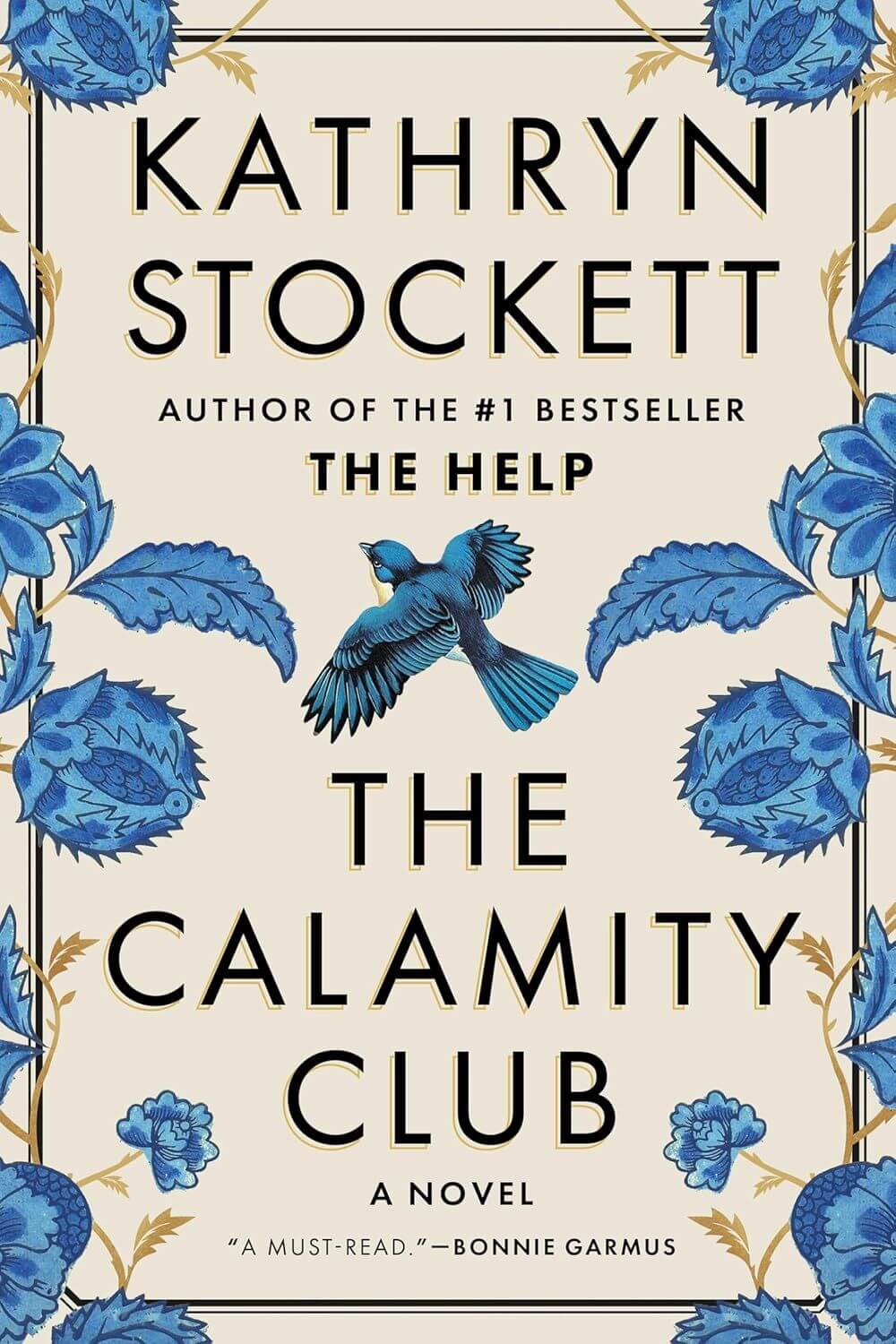
The Calamity Club — Kathryn Stockett
This novel brings readers to Oxford, Mississippi in 1933, deep in the hardships of the Great Depression.
Eleven-year-old Meg Lefleur has grown up in an orphan asylum and already understands a difficult truth about survival: sometimes you must rely on yourself.
When her path crosses with two determined women who are facing struggles of their own, the three form an unlikely alliance — and begin planning something daring that might change all of their futures.
Historical novels set during the Depression often balance hardship with resilience, and this story promises a mix of sharp humor, determination, and the kind of audacious plans that make readers cheer for the underdogs.
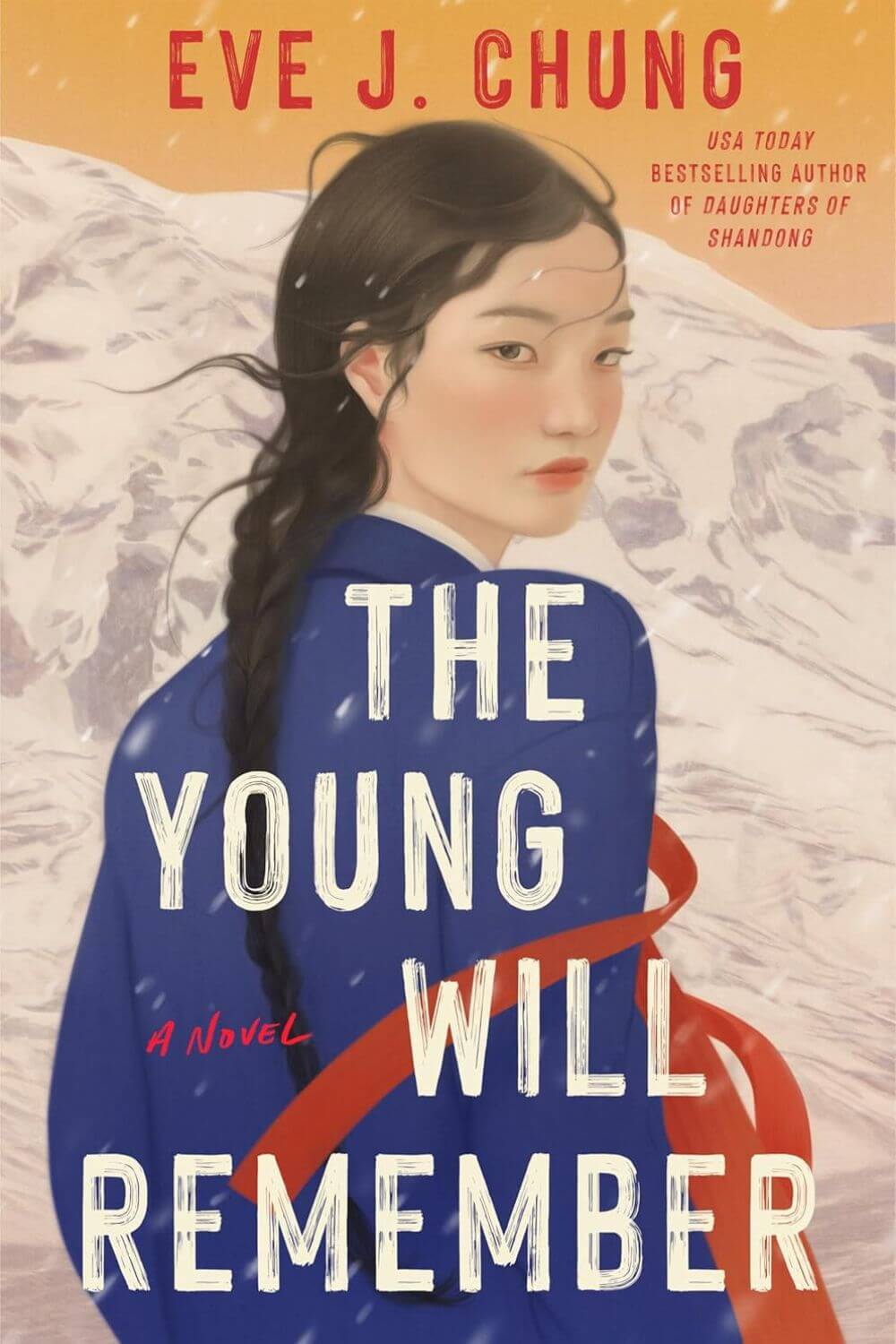
The Young Will Remember — Eve J. Chung
The Korean War is often called the “Forgotten War,” yet the human stories within it are anything but forgettable.
In this novel, Chinese American journalist Ellie Chang is flying to cover the conflict in 1950 when her plane is shot down behind enemy lines.
Expecting capture, she instead finds herself protected by an unexpected ally — a Korean woman who claims Ellie as her daughter.
It’s a dangerous lie, but one that may be the only thing keeping her alive as they travel through a war-torn landscape together.
Stories set during wartime often reveal the most surprising forms of courage, and this one appears to focus on the bonds women form when survival depends on trust.

The Parisian Chapter — Janet Skeslien Charles
Readers who loved The Paris Library will recognize Janet Skeslien Charles’s deep affection for literary history.
In this new novel, aspiring artist Lily Jacobsen arrives in Paris in the 1990s hoping to build a creative life.
When she begins working at the American Library in Paris, she discovers archival materials connected to stories she heard growing up — stories about librarians who quietly resisted the Nazi occupation during World War II.
As Lily explores the archives, the past begins to feel unexpectedly close.
For readers who love novels about books, libraries, and the echoes of history across generations, this one holds particular appeal.
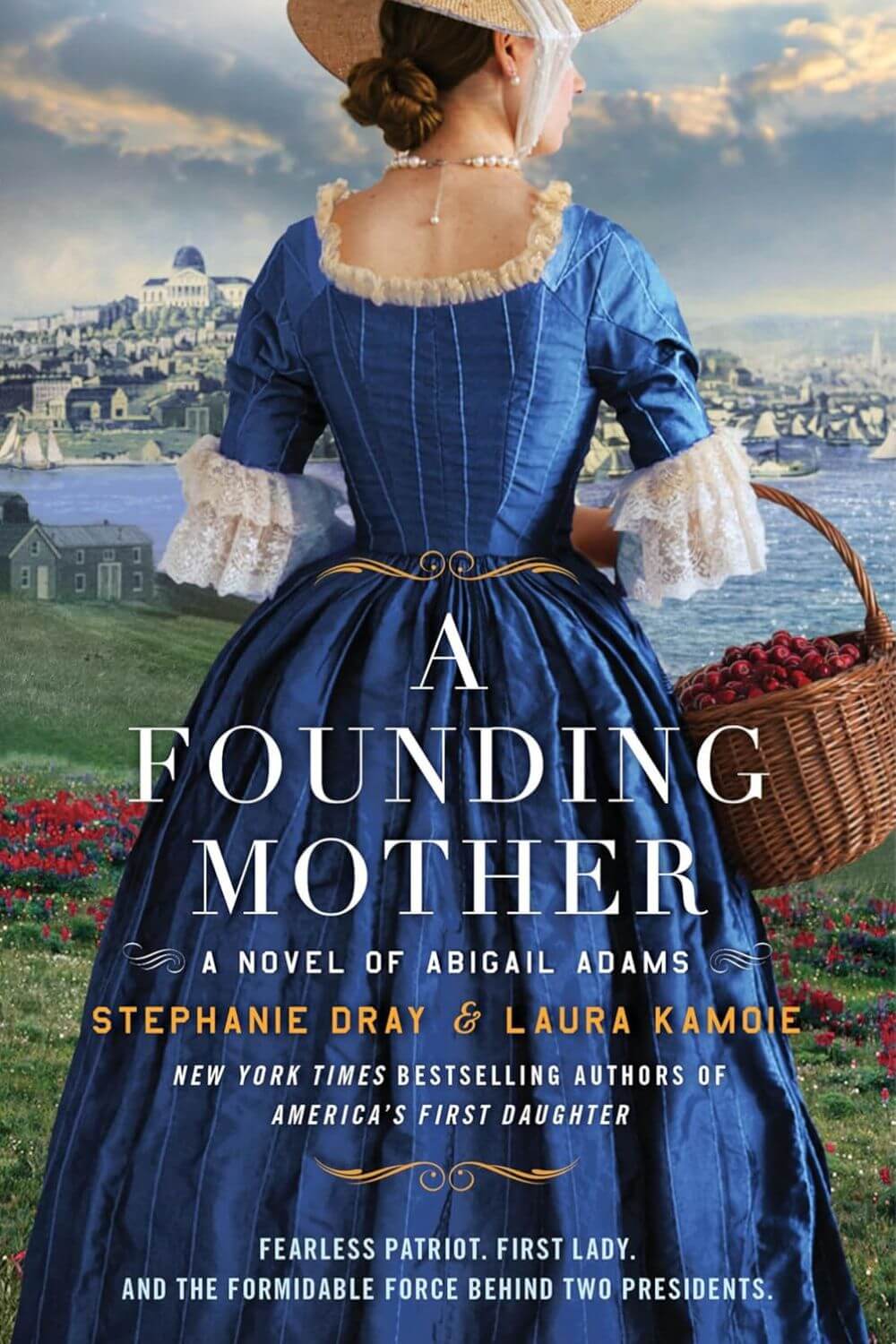
A Founding Mother — Stephanie Dray & Laura Kamoie
Few women of the American Revolution left a documentary record as rich as Abigail Adams.
While her husband John Adams spent years helping shape the emerging United States, Abigail managed the family farm, raised their children, and wrote letters that offered political insight and pointed commentary.
Her famous plea to lawmakers to “remember the ladies” still resonates centuries later.
This novel promises a sweeping portrait of a woman whose influence on early American history has only recently begun receiving the attention it deserves.
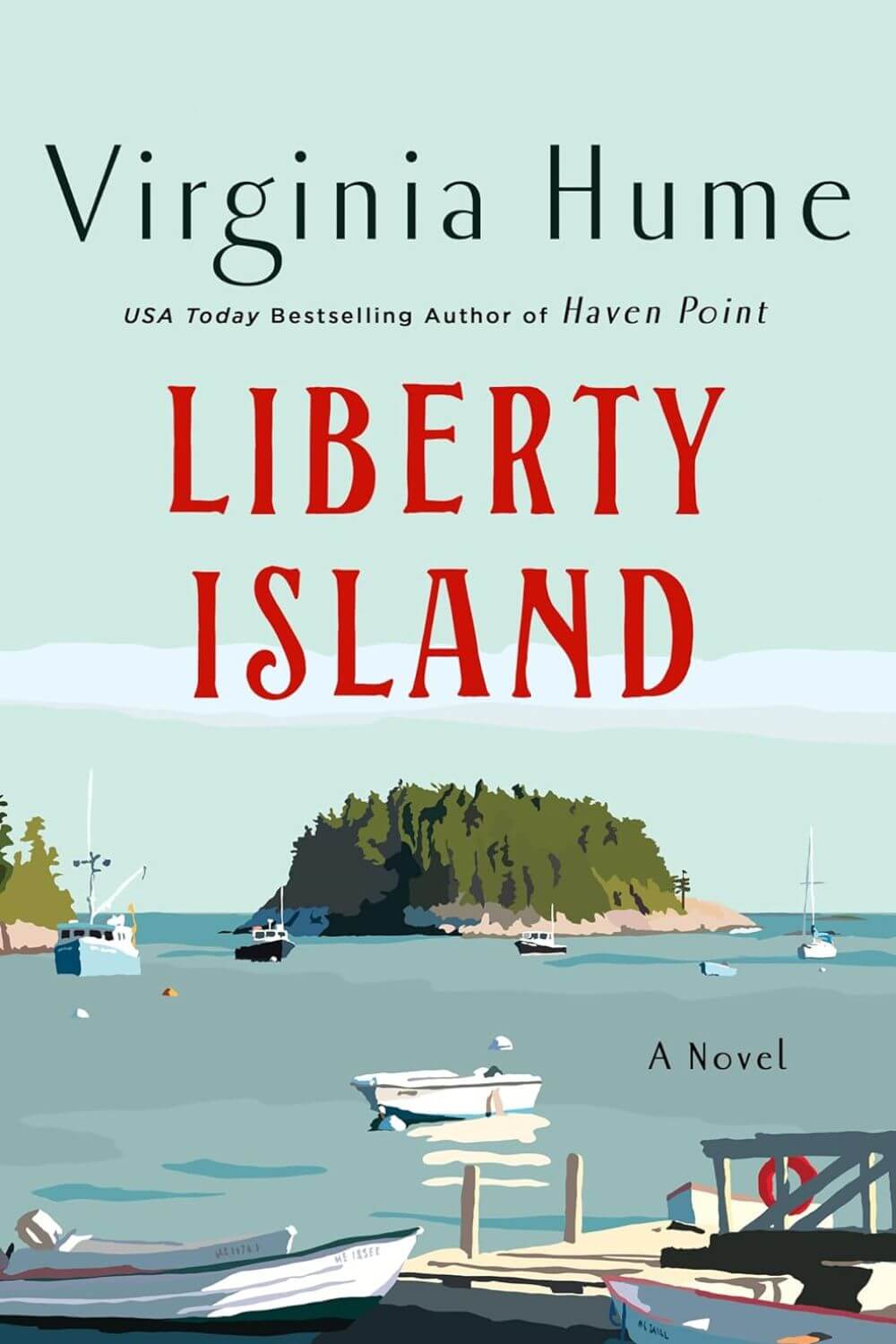
Liberty Island — Virginia Hume
This multigenerational story begins in 1900 along the coast of Maine.
Anna Bradley quietly dreams of a life that offers more independence than society expects for women of her time. Inspired by the adventurous games played by the girls she cares for, she secretly begins writing a book encouraging young women to imagine broader possibilities for their futures.
Years later, the next generation must decide what freedom truly means.
Multigenerational historical novels often reveal how quickly ideas about women’s roles can evolve — sometimes within the span of a single family.
May 12 Historical Fiction Release
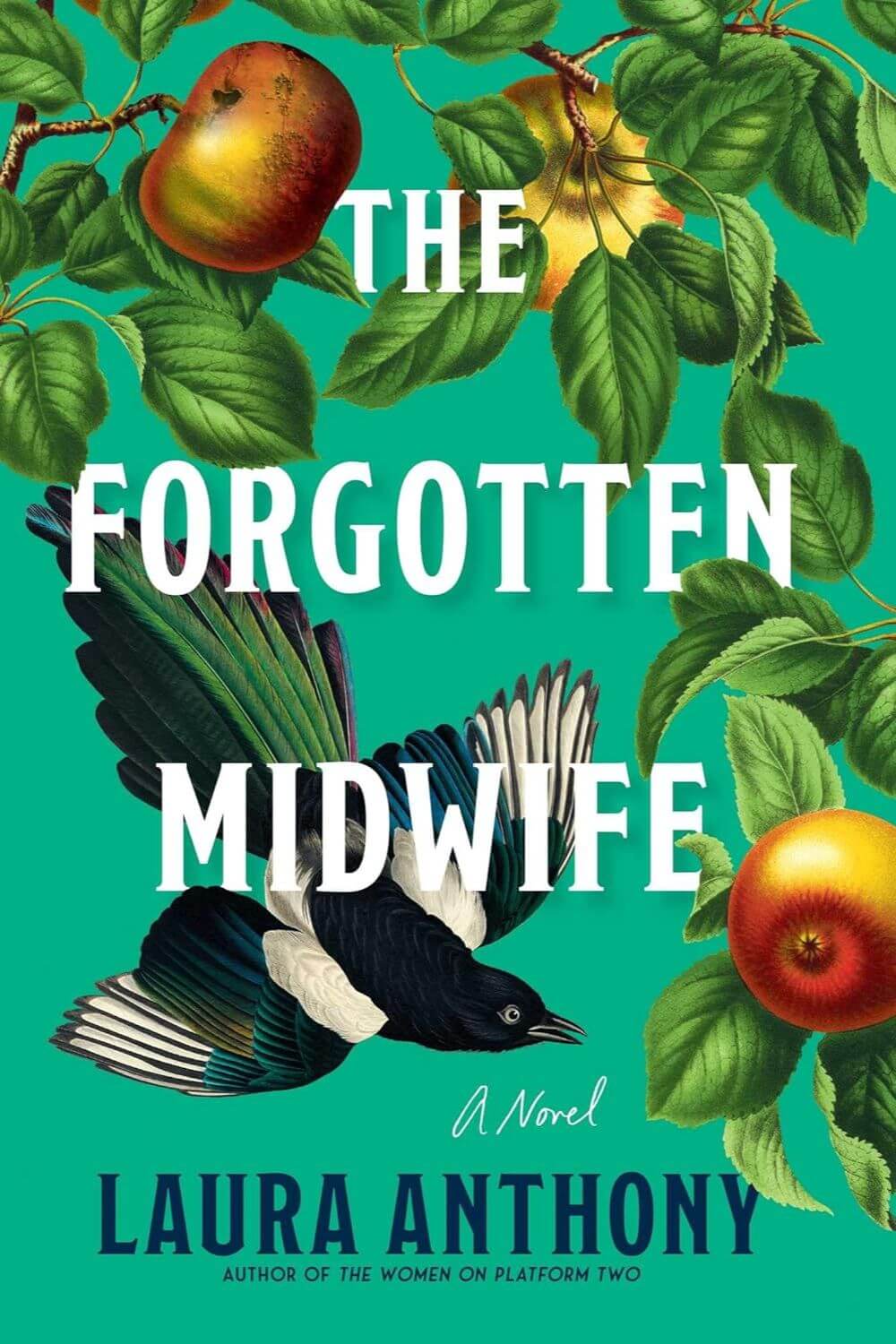
The Forgotten Midwife — Laura Anthony
This novel moves between present-day New Jersey and 1950s Ireland.
When Riley Carmichael discovers a mysterious birth certificate tied to her grandmother’s past, she begins unraveling a story connected to Ireland’s mother-and-baby homes — institutions where unmarried pregnant women were often sent and forced to live under strict religious oversight.
In the historical storyline, Margaret Lannigan is assigned to work in one of these homes despite having no training as a midwife.
As she witnesses the struggles of the young women arriving there, Margaret begins quietly defying the rules in order to help however she can.
Historical novels that examine real injustices often carry tremendous emotional weight, and this one appears to explore the quiet acts of resistance that took place inside restrictive systems.
May 19 Historical Fiction Releases
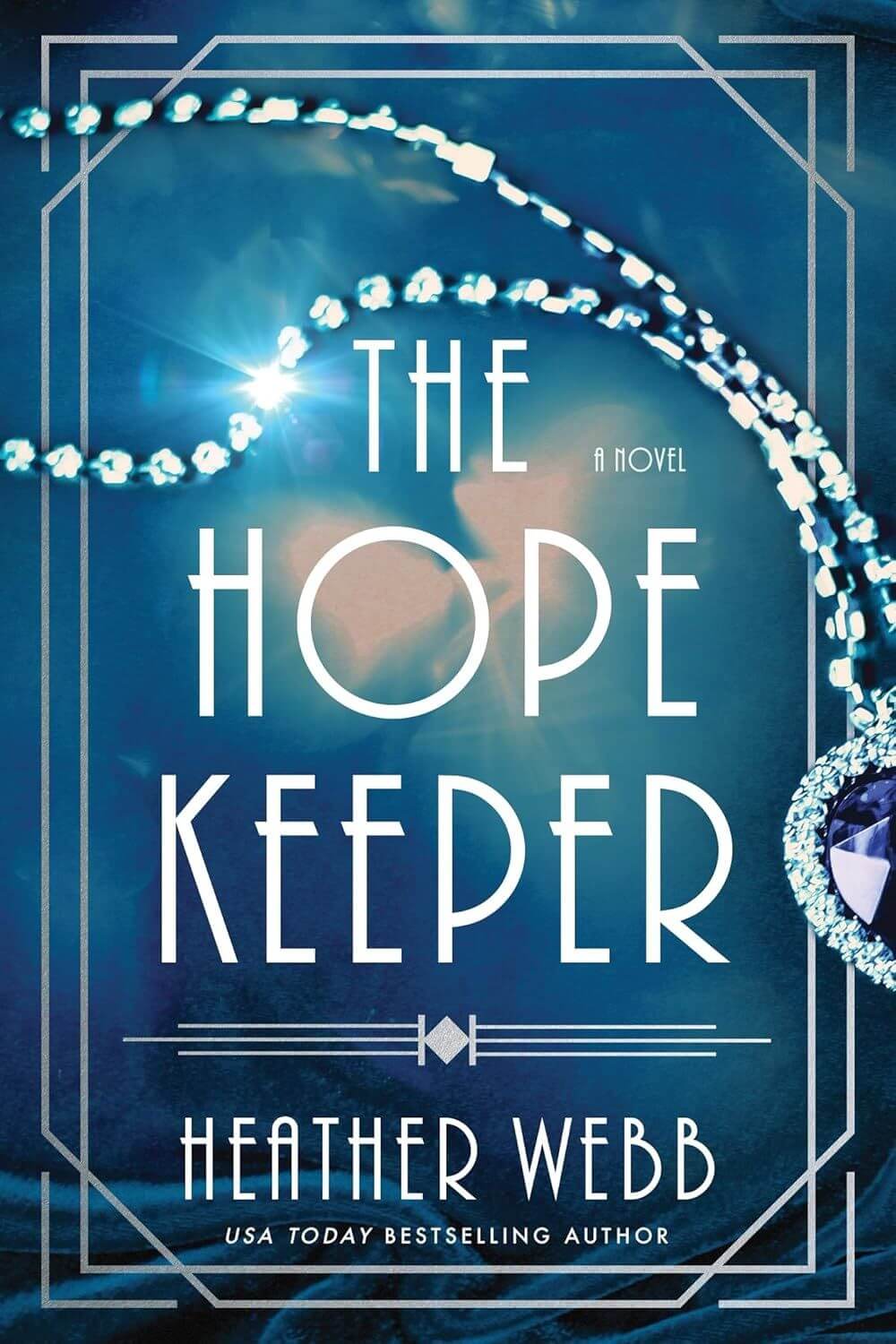
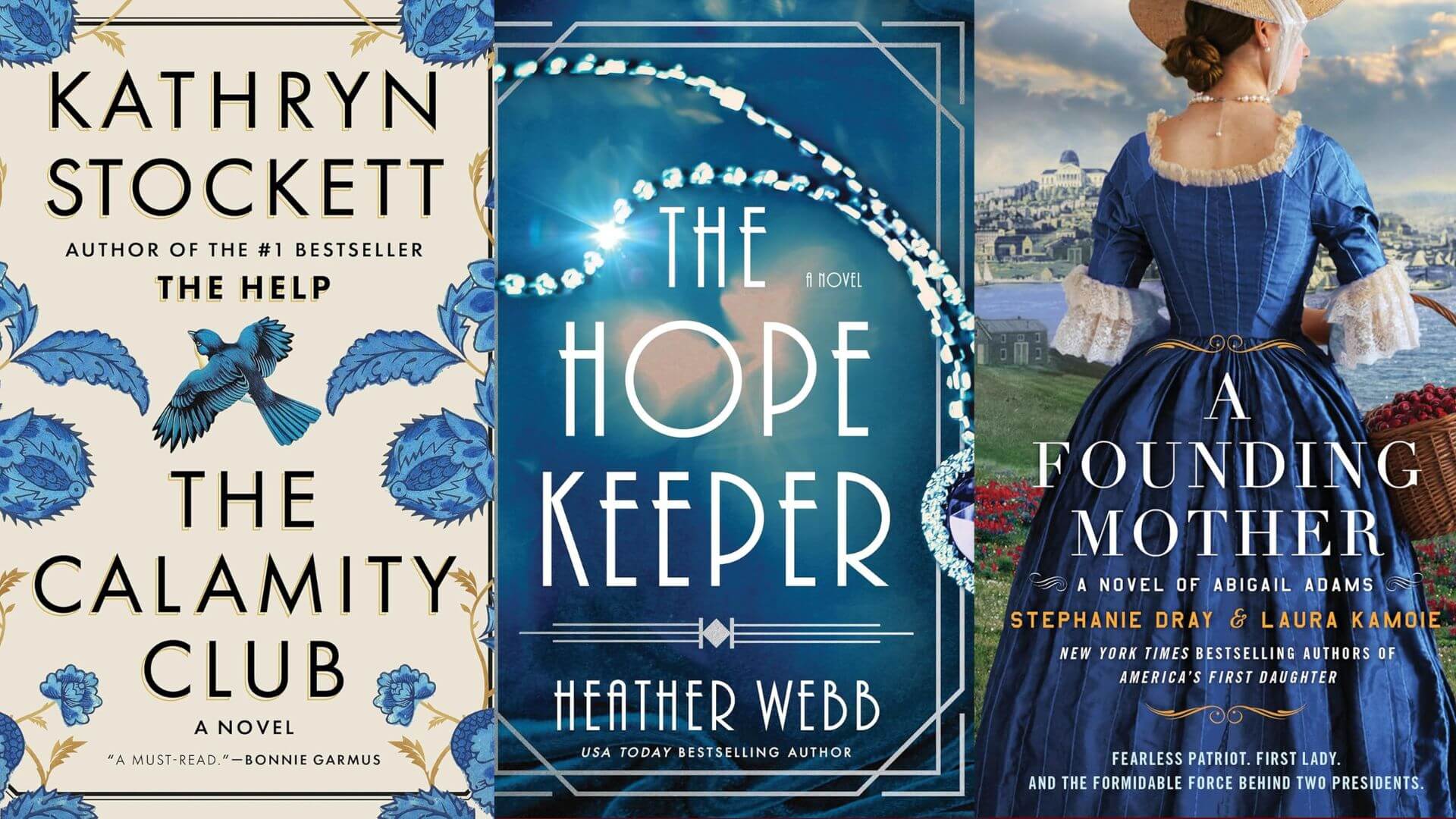
The Hope Keeper — Heather Webb
Set in Washington, D.C. in 1919, this novel centers on one of the world’s most famous jewels: the Hope Diamond.
After the death of her twin brother, Elisabeth Beaumont suddenly finds herself responsible for her family’s struggling jewelry business. Hoping to secure wealthy clients, she becomes entangled with the glamorous and controversial socialite Evalyn McLean, the diamond’s famous owner.
But in a world where wealth, ambition, and reputation collide, Elisabeth must decide how far she is willing to go to rebuild her family’s future.
Stories centered on famous historical objects often reveal as much about the people drawn to them as the object itself.
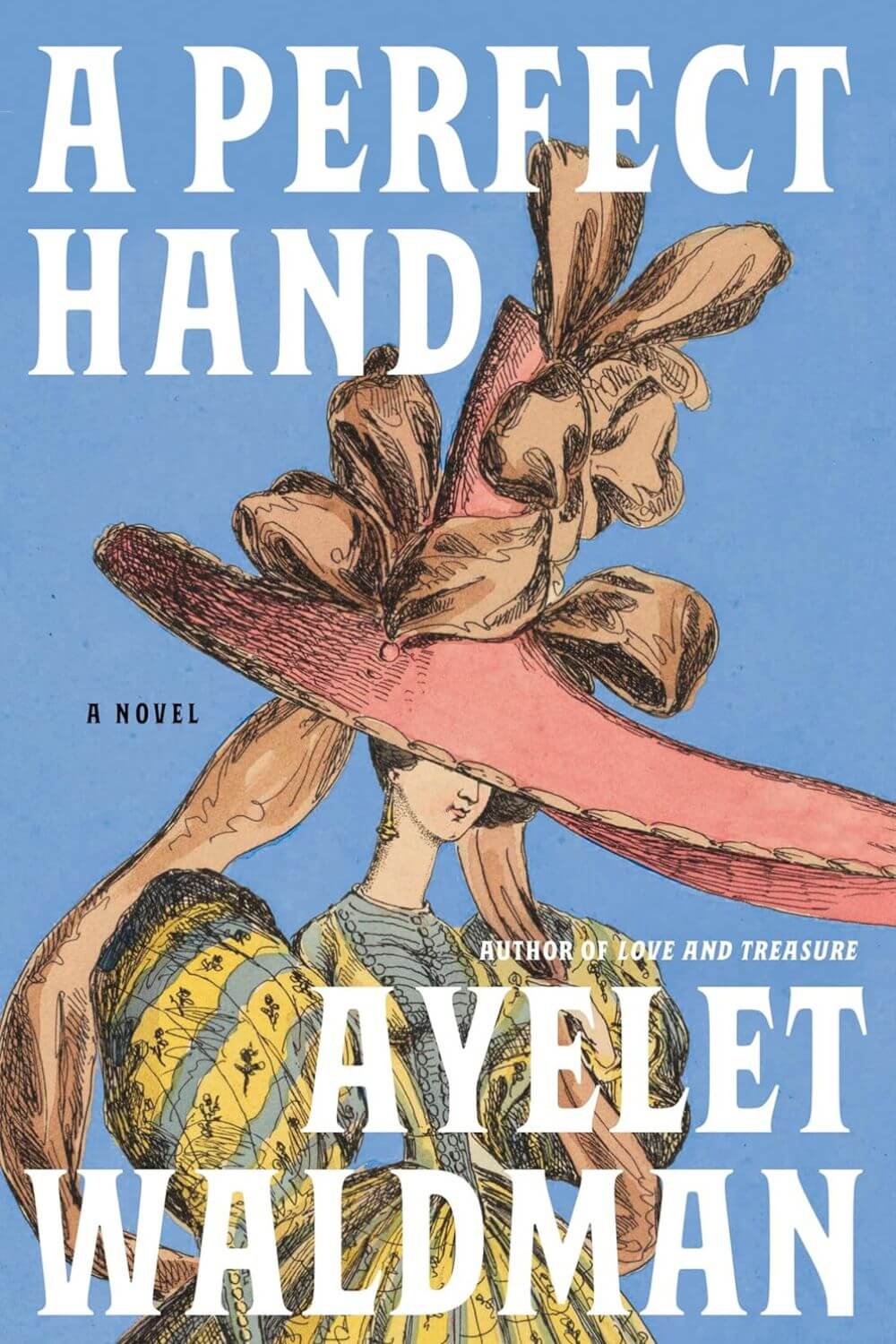
A Perfect Hand — Ayelet Waldman
The final release on this month’s list transports readers to nineteenth-century England — but instead of focusing on aristocrats upstairs, the story unfolds below the stairs.
Alice Lockey is a clever lady’s maid who understands that the path to a better life rarely appears on its own.
When she meets a charming valet, the two devise an elaborate plan: engineer a romance between their employers that might allow them to secure their own future together.
Historical fiction set among servants often offers fascinating insights into social change — and this story promises both intrigue and clever matchmaking.
Looking at May’s releases as a whole, a clear thread begins to emerge.
Many of these stories explore women navigating systems that were never designed with them in mind — political institutions, religious authority, rigid class structures, or wartime hierarchies.
And yet again and again, the women in these novels find ways to shape their own futures.
Perhaps that’s one of the reasons historical fiction continues to resonate so deeply with readers.
History is not shaped only by the people whose names appear in textbooks.
Sometimes it is shaped by quieter decisions — the choice to protect someone, to resist injustice, or simply to imagine a different life.
If you’d like to hear my full reflections on these May releases, you can watch the Author Notes episode above.
Happy reading.
FAQ: May 2026 Historical Fiction Releases
What historical fiction books release in May 2026?
Notable May 2026 releases include The Calamity Club, The Young Will Remember, The Parisian Chapter, A Founding Mother, Liberty Island, The Forgotten Midwife, The Hope Keeper, and A Perfect Hand.
What themes appear in May 2026 historical fiction?
Many of the novels explore women navigating historical systems of power, including war, religion, class structures, and political change.
Are there historical fiction books about real historical figures in May 2026?
Yes. A Founding Mother explores the life of Abigail Adams, while other novels revisit historical settings like wartime Korea and the social world surrounding the Hope Diamond.