July 2026 Historical Fiction Releases Worth Reading
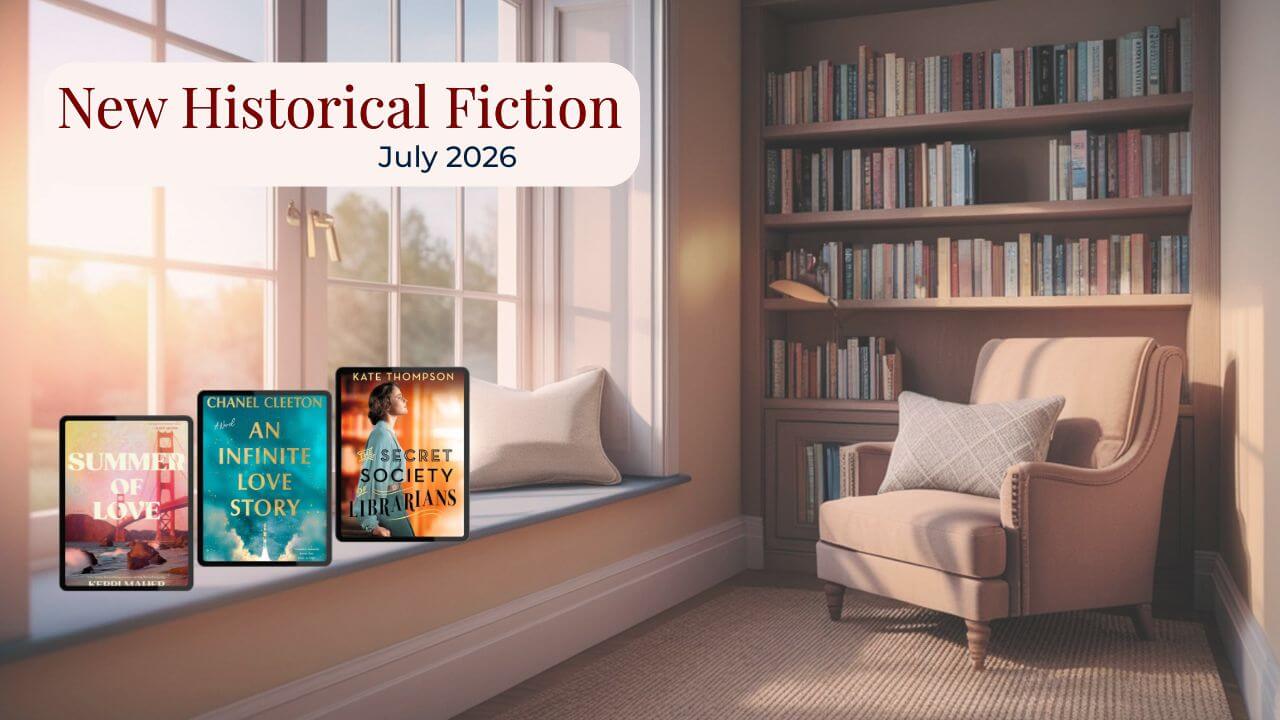
One of the things I love most about historical fiction is how often a story begins in one place…
…and quietly reveals something far more complicated underneath.
A race into space becomes a love story.
A wartime library becomes an act of resistance.
A family story becomes a reckoning with everything left unsaid.
And July’s historical fiction releases seem especially interested in that kind of transformation.
At first glance, these novels move across wildly different worlds — 1960s San Francisco, Cold War Italy, Prohibition-era Martha’s Vineyard, wartime London. But underneath, many of them are asking a similar question:
What happens when women stop accepting the role history expected them to play?
And what I found next reshaped how I understood this entire month of releases.
As I looked more closely at July's new historical fiction releases, I started to notice something.
Several of my favourite authors seemed to be asking similar questions about identity, reinvention, and the roles women were expected to play.
If you'd like to see how these stories unfold in more detail, you can watch the full Author Notes episode below.
Historical Fiction Releasing July 7
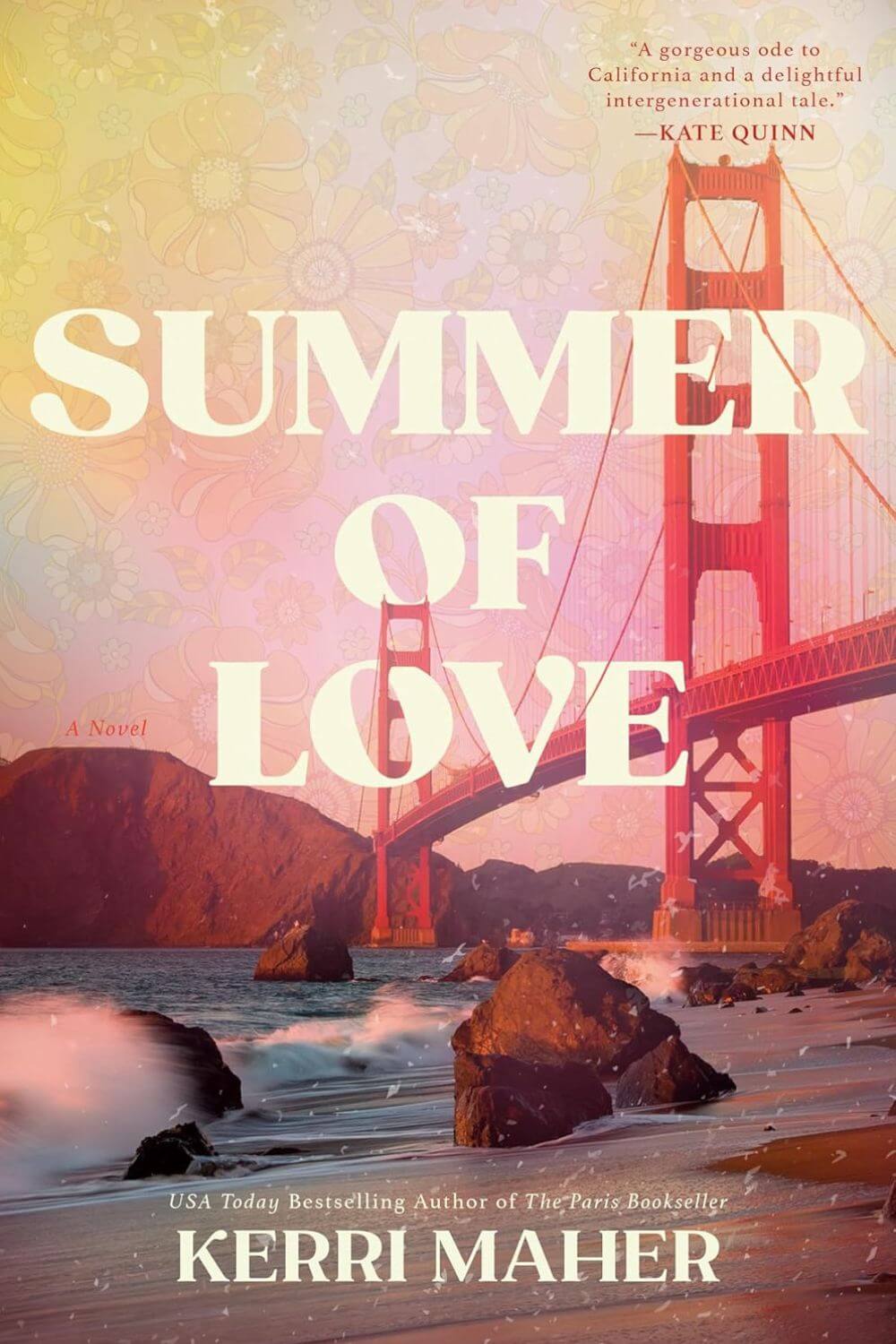
Summer of Love — Kerri Maher
Set during the legendary Summer of Love in 1967 San Francisco, this novel follows three women whose lives become connected across generations.
At the center of the historical storyline are sisters Winnie and Miranda Hartley.
Winnie is drawn toward reinvention — poetry readings, protest movements, music, and the intoxicating sense that society itself might be changing. Meanwhile, Miranda remains closer to home, helping run the family vineyard along the California coast.
What makes this premise especially compelling is the tension between those two paths.
One sister chasing transformation.
The other trying to build something lasting.
And fifty years later, another woman begins uncovering long-hidden family secrets that connect them all.
This feels like one of those historical novels where the setting doesn’t merely frame the story — it actively shapes who the characters become.
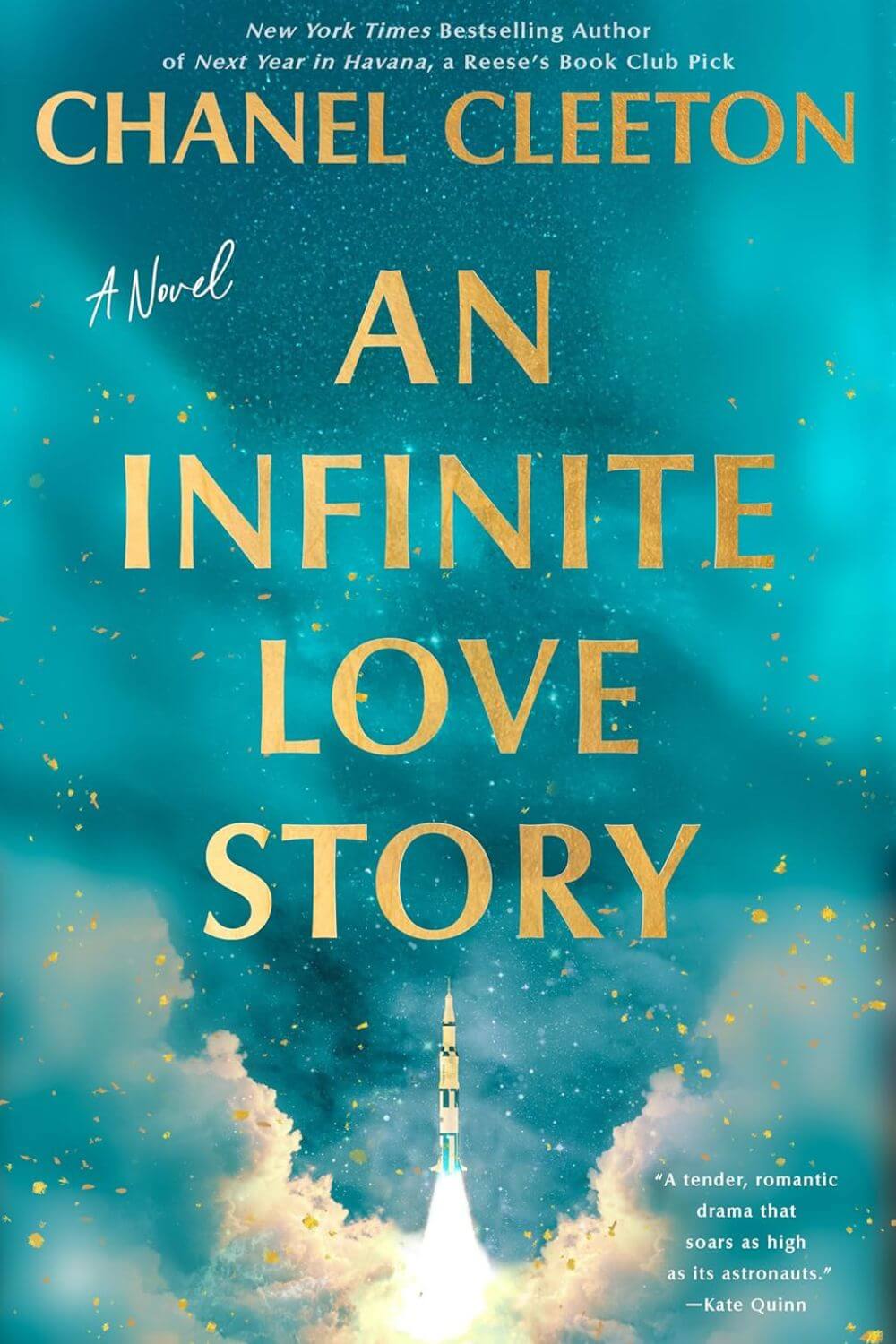
An Infinite Love Story — Chanel Cleeton
From California, we move into the emotional intensity of the 1960s Space Race.
The novel begins with a devastating moment: an astronaut disappears during a mission, leaving his wife behind while the entire world watches and mourns.
But this story quickly becomes something more intimate.
As Vivian searches for answers about what happened to her husband, she begins receiving messages she believes could only have come from him.
There’s something haunting about that premise.
And while the novel sits slightly outside what some readers traditionally define as historical fiction, it still feels deeply connected to the genre through its atmosphere, emotional scope, and historical setting.
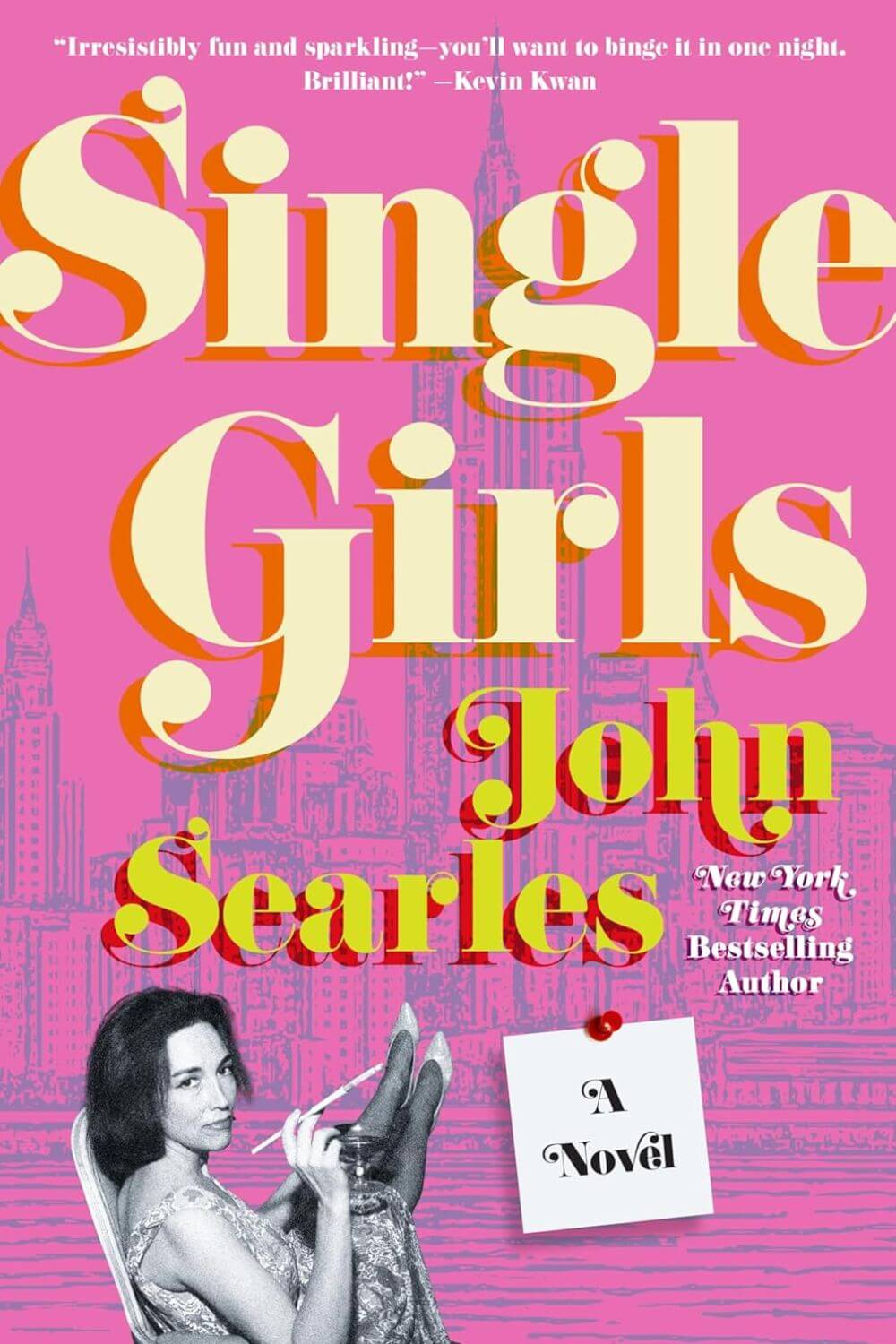
Single Girls — John Searles
The final July 7 release takes readers inside the offices of Cosmopolitan magazine during Helen Gurley Brown’s transformative early years.
What immediately stood out to me about this description was its energy.
This doesn’t sound like a quiet workplace drama.
It sounds ambitious, glamorous, chaotic, messy — and very much about women trying to create new possibilities for themselves inside systems that still underestimated them.
Stories set inside publishing and media often reveal how quickly cultural expectations can shift beneath people’s feet.
And this one feels deeply interested in that transition point.
Because this is where the difference begins.
Historical Fiction Releasing July 14
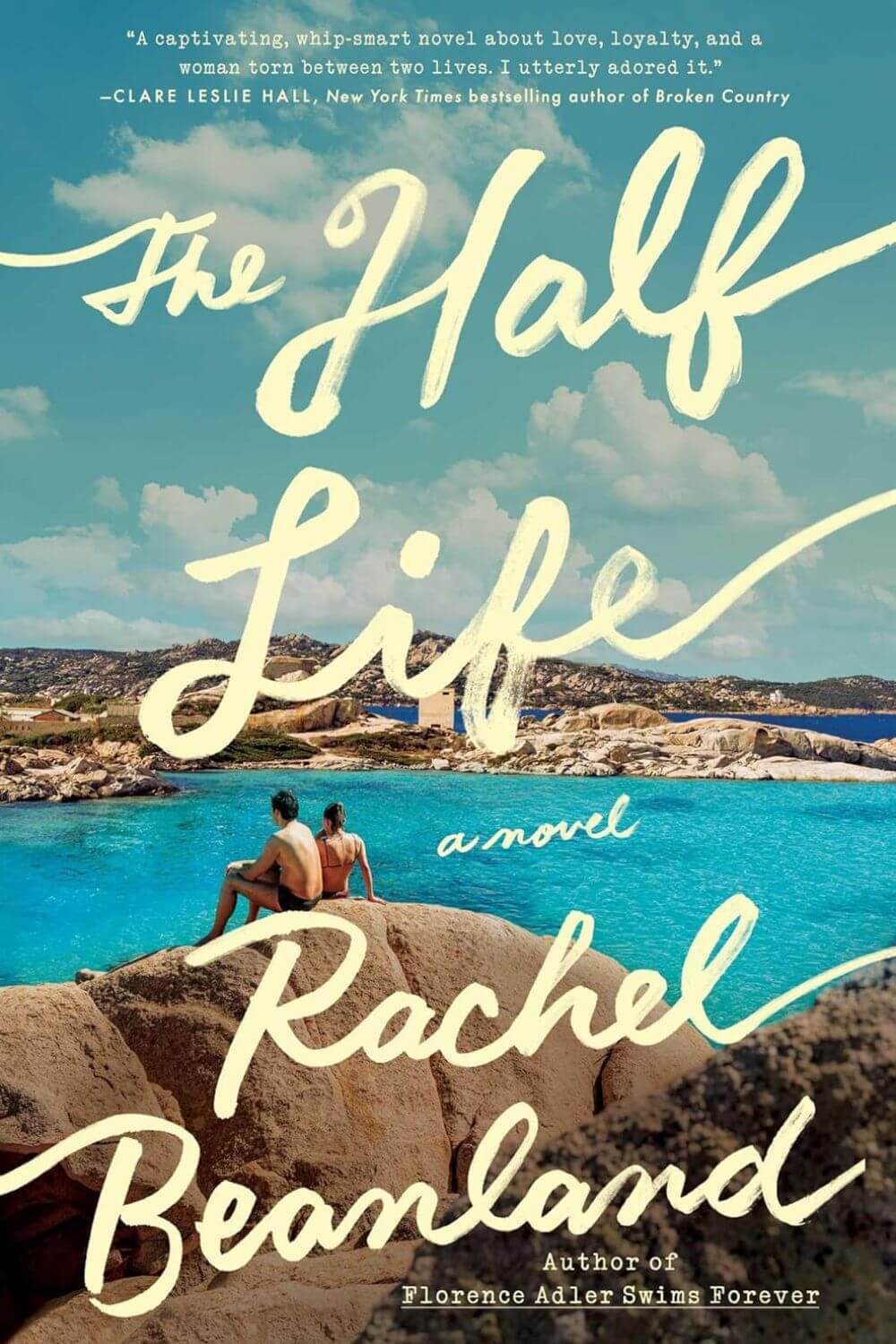
The Half Life — Rachel Beanland
This novel takes us to a small Mediterranean island during the Cold War.
At first glance, the setting almost feels idyllic:
A close-knit expat community.
A fresh start far from home.
A beautiful island surrounded by sea.
But beneath the surface, tension is growing around the presence of American nuclear submarines in Italian waters.
As protests spread across the island, Eileen — a young American navy wife — slowly begins questioning both her marriage and the political system surrounding her.
What intrigues me most here is that the novel seems less interested in explosive drama and more interested in quieter emotional shifts:
Complicity. Loyalty. Awakening.
The kinds of realizations that slowly alter the course of a person’s life.
Historical Fiction Releasing July 21
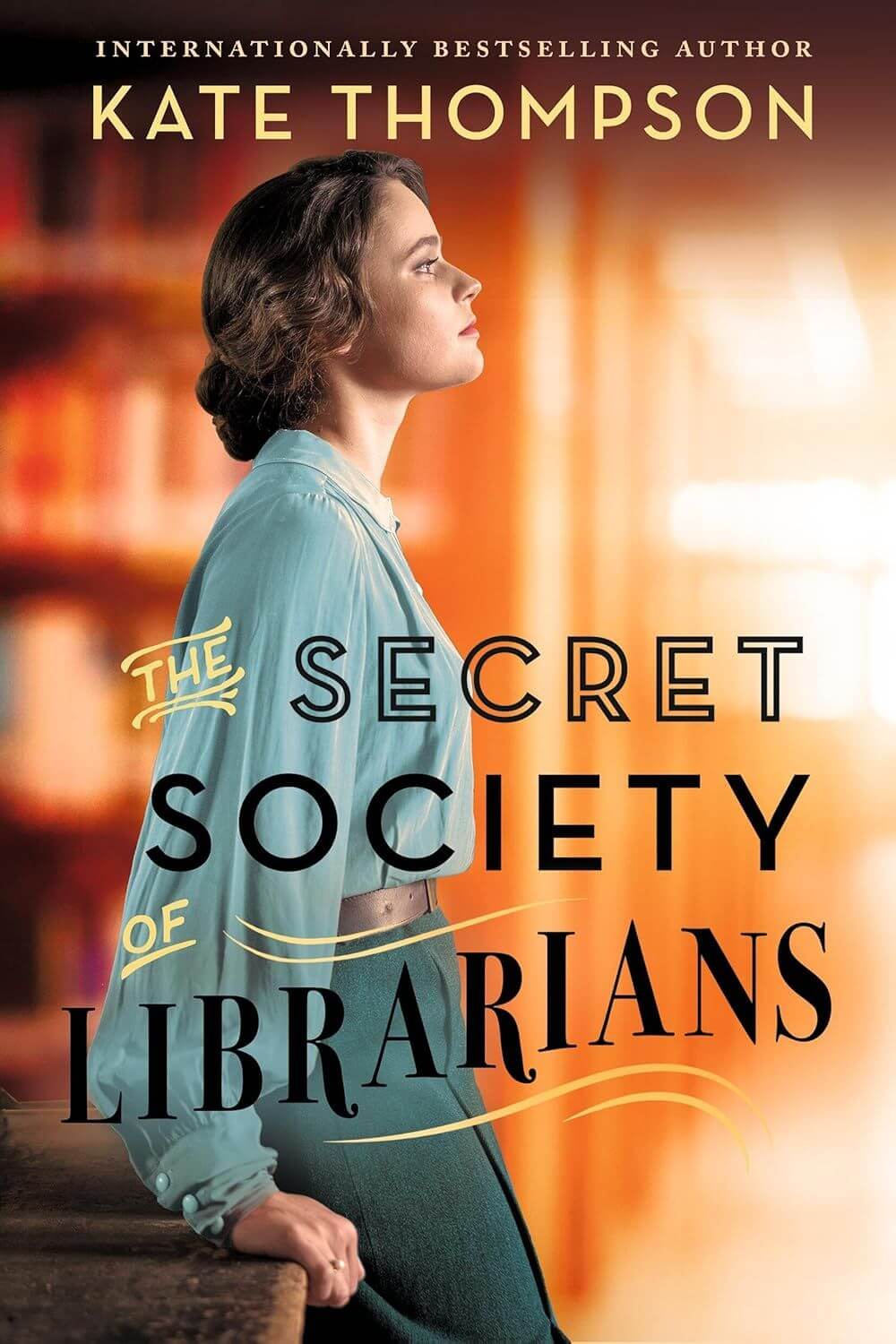
The Secret Society of Librarians — Kate Thompson
This novel immediately caught my attention because it combines several elements many historical fiction readers love: wartime settings, libraries, friendship, and stories inspired by real people.
Set during the Second World War, the story follows two women connected through a real-life Secret Society of Librarians in London.
As war spreads, they begin creating a roaming underground library — bringing books and stories to people living through extraordinary circumstances.
Eventually, however, the war separates them in devastating ways.
One remains in London.
The other is taken to Poland and ultimately to a concentration camp.
What makes this premise especially powerful is the idea that books themselves become a form of hope and resistance.
Historical fiction reminds us again and again that courage doesn’t always look dramatic.
Sometimes it looks like preserving stories.
Protecting knowledge.
Or simply helping someone feel less alone.
Historical Fiction Releasing July 28
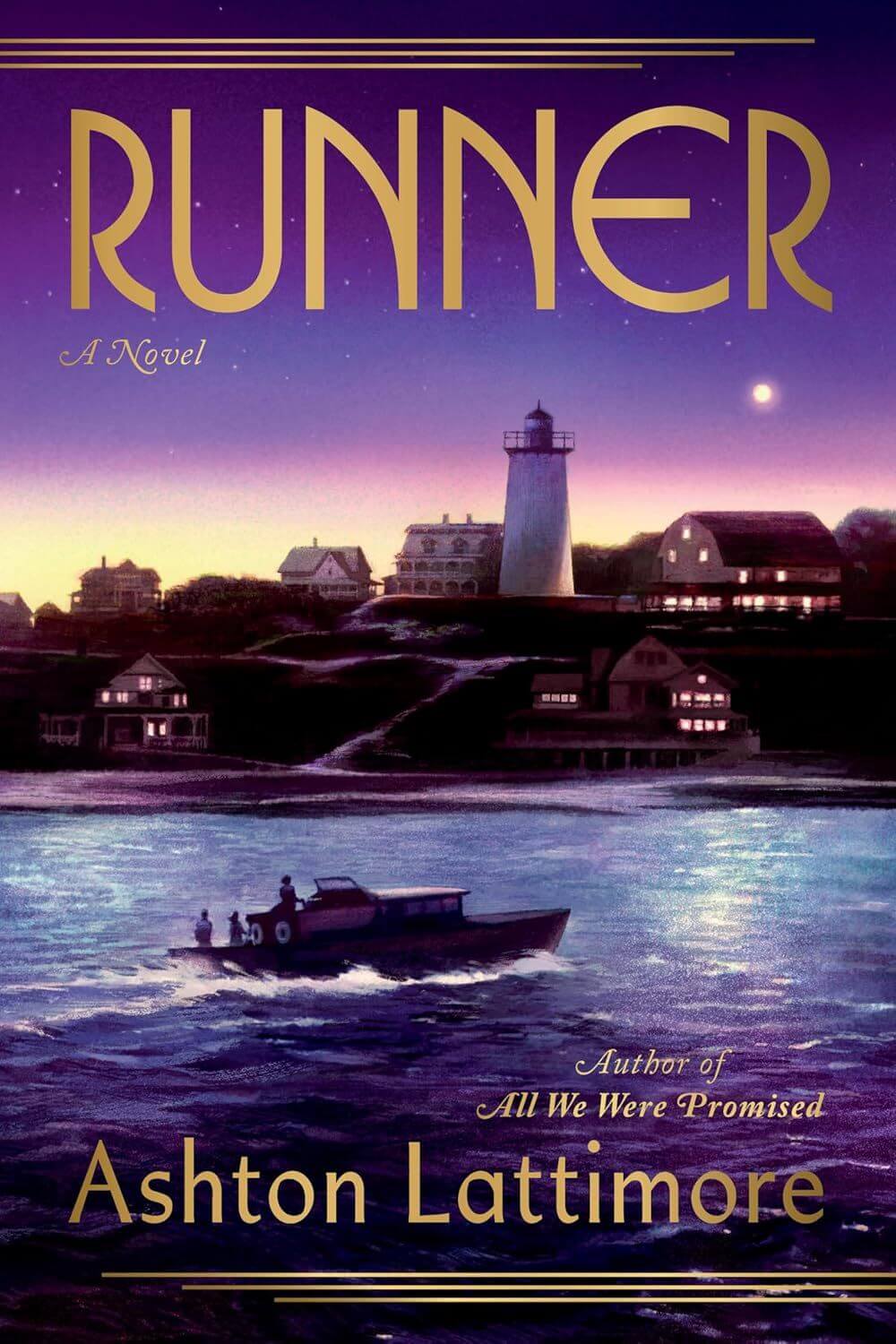
Runner — Ashton Lattimore
The final novel on July’s list takes us to Martha’s Vineyard during Prohibition.
After Lena Jameson’s father — a fisherman turned rumrunner — dies in a suspicious shipwreck, Lena suddenly finds herself facing the collapse of her family’s finances and her own future.
So she does something society would strongly prefer she didn’t do.
She takes over the business herself.
What follows feels like part family saga, part coming-of-age story, and part historical crime novel as Lena navigates rum-running, gangland Boston, and Harlem during the Renaissance.
And then I came across something I hadn’t been looking for.
Because beneath the danger and survival lies something even more compelling:
Lena is not simply chasing stability.
She’s chasing possibility.
Education. Independence. A future larger than the one people expect her to settle for.
And historical fiction readers know very well that those desires have always carried consequences for women.
What Connects July’s Historical Fiction Releases
When I step back and look at July’s releases as a whole, one idea keeps resurfacing.
Many of these stories explore women standing at the edge of transformation.
Not necessarily because they planned to.
But because history, grief, ambition, survival, or circumstance forced them to ask:
Who do I become now?
And perhaps that’s one of the reasons historical fiction continues to resonate so deeply with readers.
People in the past were not standing safely outside history.
They were living through uncertainty in real time — trying to make decisions without knowing how the story would end.
If you’re especially drawn to stories about women standing at emotional turning points, you may also enjoy this collection of historical fiction books about women facing life-changing decisions.
FAQ: July 2026 Historical Fiction Releases
What historical fiction books are releasing in July 2026?
Some notable July 2026 historical fiction releases include Summer of Love, An Infinite Love Story, Single Girls, The Half Life, The Secret Society of Librarians, and Runner.
What themes appear in July 2026 historical fiction?
Many July 2026 historical fiction releases explore women navigating reinvention, survival, hidden truths, and changing social expectations across the twentieth century.
Are there wartime historical fiction books releasing in July 2026?
Yes. The Secret Society of Librarians is set during the Second World War and follows women creating an underground library network during wartime London and occupied Europe.
Which July 2026 historical fiction books focus on strong female protagonists?
Several of July’s releases center resilient women challenging societal expectations, including Runner, The Half Life, and Summer of Love.
The more time I spend reading stories like these, the more I find myself thinking about how rarely transformation arrives all at once.
Most of the time, it begins quietly.
A realization someone can no longer ignore.
A question that refuses to disappear.
A moment when the future suddenly feels larger — and more uncertain — than it did before.
And perhaps that’s why historical fiction continues to stay with us.
Not because the past feels distant.
But because these women, standing at their own turning points, still feel recognizable now.
Because sometimes, what makes a story stay with us… is simply whether it feels true.
Join me for monthly historical fiction discoveries. Sign up to my newsletter today!